




Homepage / Danone
Category disruption works when brands validate both shelf placement habits and spontaneous price boundaries before production starts. By testing implicit reactions under time pressure, FMCG brands avoid investing in concepts that shoppers walk past in the supermarket.
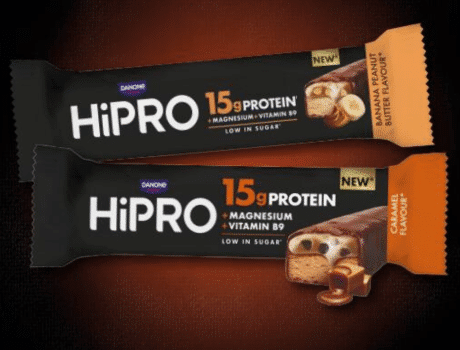
With international power brands like HiPRO and Activia, Danone is a global leader in dairy and functional foods. The manufacturer planned to extend its HiPRO range with a fresh protein bar placed directly in the supermarket chiller. Shoppers, however, almost exclusively browse ambient shelves for protein snacks. Can concept testing in FMCG clarify whether sports enthusiasts accept a chilled bar and what price point unlocks optimal sales?
Health-conscious consumers expect protein bars in the ambient snack aisle rather than the dairy section. Positioning a premium protein bar in chilled dairy creates friction around product perception, price elasticity, and shopping habits. Danone needed proof that shoppers would actively seek this snack in the fresh aisle before committing to production.
We conducted quantitative concept research among protein buyers, combining an online shelf test with an implicit pricing test. Participants evaluated the HiPRO Dairy Bar under time pressure in a fast-paced choice environment against different price points. This setup revealed both natural category associations and spontaneous price sensitivity.
The study demonstrated that 25% of protein buyers consider the bar, pin-pointed the optimal price point, and confirmed consumption moments after exercise and in the afternoon. Danone secured concrete input for recipe tweaks and the essential proof that marketing must guide shoppers to the chilled cabinet.
Targeted campaigns guide consumers straight to the chilled section instead of ambient snack aisles.
This price point aligns with consumers’ spontaneous willingness to pay and safeguards margins.
Improving mouthfeel and flavour profile secures repeat purchases after initial trial.
Connecting the product to proven consumption occasions sharpens marketing efficiency.
Quantitative shelf testing and timed pricing choices show where consumers expect a product and what they are willing to pay under actual purchase conditions. This approach removes conscious rationalisations and reveals spontaneous category barriers immediately.
Protein buyers habitually look for bars in the shelf-stable snack aisle, meaning a chilled product might be overlooked. Shelf communication and targeted marketing campaigns are necessary to purposefully navigate consumers to the chilled aisle.
The evaluation proved that 25% of protein shoppers would consider the dairy bar, provided the price point reflects fresh dairy expectations. It also delivered concrete sensory guidance regarding taste and texture to optimise the product formulation before rollout.
Product Development research gives you the necessary input from creation to a successful launch.
What are you looking for?
Brand growth
Expertise
Solutions
cases
Read more about our bol.com case study and customer journey research here.
Read more about our Etos case and Online Community Research study here.
Read here how our Distinctive Brand Asset research provided the right answers for Wehkamp.
about us

